Best Boating Spots Near Springfield, IL (Local Favorites & Tips)

Best Boating Spots Near Springfield, IL (Local Favorites & Tips)

Boating season in Central Illinois is something locals look forward to all year long and for good reason. If you’re based in or around Springfield, IL, you don’t have to travel far to enjoy great boating, fishing, and time on the water with family and friends.

Whether you’re cruising on a pontoon, pulling skiers, or casting a line, here are some of the best boating spots near Springfield, Illinois, plus tips to help you make the most of every outing.


Lake Springfield

Lake Springfield is the most popular and convenient boating destination for local boaters. Located right in the heart of Springfield, it’s perfect for quick weekday outings or relaxed weekend cruises.

Why boaters love Lake Springfield:

  • Easy access with multiple boat ramps
  • Great for pontoons, runabouts, and fishing boats
  • Ideal for family-friendly cruising and fishing
  • Close to marinas, restaurants, and parks

Because of its accessibility, Lake Springfield can get busy during peak summer weekends, but it remains a favorite thanks to its calm waters and scenic views.


Lake Shelbyville

If you’re looking for one of the best all-around boating experiences in Illinois, Lake Shelbyville is well worth the short drive from Springfield. With thousands of acres of water and miles of shoreline, it’s a top destination for serious boaters.

Best for:

  • Larger boats and pontoons
  • Watersports like tubing and wakeboarding
  • Weekend trips and longer stays

Lake Shelbyville also offers beaches, campgrounds, and marinas, making it a great choice for boaters who want to turn a day on the water into a full weekend getaway.


Sangchris Lake

Sangchris Lake is a hidden gem for boaters who prefer a quieter, more laid-back atmosphere. Known primarily for fishing, it’s also a great option for peaceful pontoon rides and relaxing days on the water.

What makes Sangchris Lake special:

  • Less crowded than larger lakes
  • Excellent fishing opportunities
  • Calm waters ideal for leisure boating

If you enjoy slower-paced boating or want to avoid heavy traffic, Sangchris Lake is a great option near Springfield.


Lake Taylorville

Located southeast of Springfield, Lake Taylorville is another solid choice for boaters looking for easy access and a relaxed environment. It’s especially appealing to newer boaters and families.

Highlights include:

  • Convenient boat ramps
  • Calm water conditions
  • Great for cruising and fishing

Lake Taylorville is a dependable option for a simple, stress-free day on the water.


Boating Tips for Central Illinois

Before heading out, keep these local boating tips in mind:

  • Always check lake-specific rules, including speed limits and no-wake zones
  • Be mindful of changing water levels throughout the season
  • Make sure your boat is properly serviced before peak boating months
  • Carry all required safety equipment and life jackets

Proper preparation helps ensure your time on the water is safe, fun, and hassle-free.


Get Ready for the Water with The Boat Dock

No matter which lake you prefer, having the right boat and keeping it properly maintained makes all the difference. Whether you’re shopping for your next boat, preparing for the season, or need professional service, The Boat Dock is here to help.

Stop by, explore our inventory, or schedule service so you can enjoy every minute of boating season in Central Illinois.

Here’s to a great season on the water ?

Share Button

Docking A Boat Tips

HOW TO DOCK A BOAT: 10 TOP TIPS
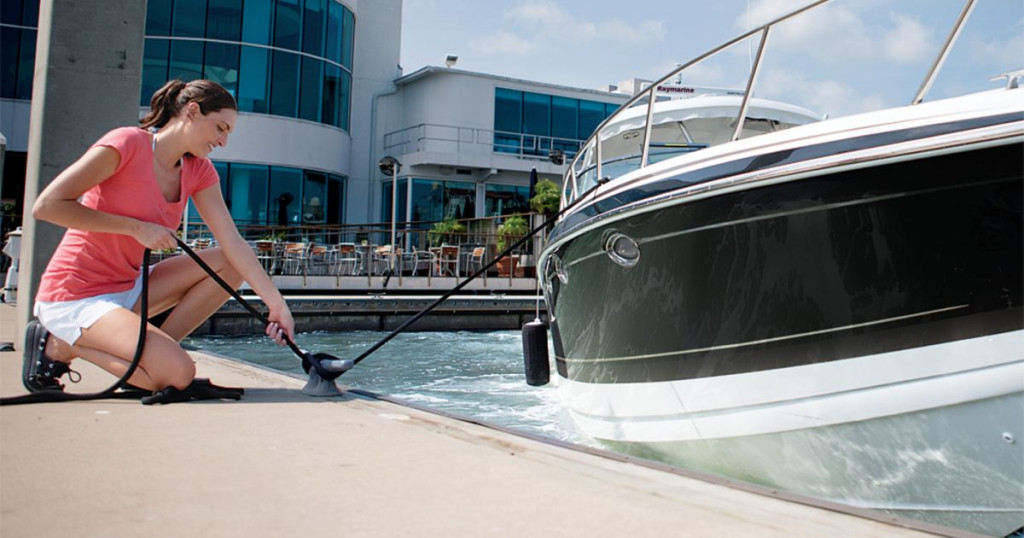
10stepdocking2


#1: You’ve probably already heard the cardinal rule of docking a boat: Never approach the pier any faster than you’re willing to hit it. In other words, you never know when a sudden “oopsie” will cause your precious fiberglass chariot to do the opposite of what you had intended. Just in case, always approach solid objects slowly enough that if your docking job turns into a ramming, the results won’t be tragic.

#2: Use enough juice to get the job done. When it comes to causes of disastrous docking, applying insufficient power comes in a close second to applying too much. You need to counter and overcome momentum, wind, and current. If you don’t tell your boat what to do—with authority—one or more of these other factors is likely to take over.

#3: Always look before you leap. Give your slip a hairy eyeball, even if you’ve backed into it 100 times before. The biggest issue here is mooring lines. If any lines of yours or a neighboring slip fell off a piling and into the water, current could stretch it out across your path. Tangle a mooring line in your propeller, and that docking job will go south in a hurry.

#4: With twin inboards, don’t touch the wheel. Ever. You’ll be tempted, but you have more control if you leave the wheel centered and use only the engines. If you do turn the wheel, then when you try to use the engines and the prop-wash hits a cockeyed rudder, the boat may take an unexpected path.

#5: In heavy winds, reduce your windage. Particularly in a small boat, this can have a dramatic effect on how easy or how hard it is to dock. A Bimini top or an Isinglass enclosure can act like a sail on a powerboat, and throw you out of kilter. On a sailboat, a sail lazily left unfurled can have the same effect.

#6: Never kill the engines until all the lines are secure. Many people who don’t know how to dock a boat well make the mistake of shutting down as soon as the boat is in the slip, but you never know if a crewmember is going to drop his or her line(s), or when a piling will slip out of reach. Keep the powerplants on, so you can maneuver as necessary.

#7: Don’t be afraid to abort. This is especially important for sailboats, single-screw inboards, and other boats with a limited ability to maneuver. If the approach doesn’t seem to be going well don’t try to force the issue; instead, circle back for another try.

# 8: Learn how to dock a boat using fenders that are placed with precision. There’s more to this than merely hanging the fenders over the side; you need to judge where the boat will kiss a piling, and how to orient the fenders so they don’t get caught under the pier or swing freely above it. Position them properly and you’ll find that even the best boaters in the world can do a better job of damage-free docking, with the pressure-points protected.

#9: When docking any type of single-engine boat, always turn the wheel before applying power—not during or after. That way, you won’t get a blast of forward or reverse before the blast of port or starboard kicks in.

#10: Always apply short bursts of power, instead of steady power. This allows you to maneuver without building up a lot of momentum, which can quickly get out of control.


Share Button

Protect Your Boat with NanoCure

NanoCure-Logo-Color-1

You picked a real beauty. Keep it that way.

Your water craft will age, and no matter what wave you ride, you’ll face hazards that are sure to test you. Overcome the elements and keep your boat or jet-ski in top condition with NanoCure Protection.

Beauty fades and the big waves will take their toll. Cruise protected.

Our proprietary, state-of-the art NanoCure with Nanoxide protectants are formulated with industry-leading nanotechnology to fill uneven surface areas to form a weather- and hazard-resistant shield.

Strong molecular bonding

  • Galvanizing polymers
  • Protective UV absorbers

Harnessing the Power of Nanotechnology

Nanotechnology is a key driving element to making NanoCure Protective Coatings as effective and cutting-edge as they are. By forming a molecular bond with a vehicle’s surface, nanotechnology enables our protectants are able to more effectively battle the elements that can harm its appearance. We employ such innovation into our offerings for the auto, RV, powersports and marine markets we serve. Call us today to learn more or stop in and see us to get protected today!

Share Button